Pale skin does not need rescuing with one approved set of colors. It does, however, respond noticeably to contrast, fabric depth and the color sitting closest to the face. A good outfit can make fair skin look clear and deliberate; a difficult one can make the face vanish into the garment. The practical approach is to test the level of contrast first, then refine the temperature and brightness that feel most natural to you.
Choose contrast before hunting for a flattering shade
Two people with similarly pale skin can need very different outfits if one has dark hair and brows while the other has soft blond or ash-brown coloring. Begin with a simple comparison: wear a black top, a soft navy top and a mid-gray or charcoal top near a window. Look at the whole face, including eyebrows and lips. Does the darkest top create clean definition, or does it turn under-eye shadows into the main event? The answer tells you more than a generic list of best colors for pale skin.
Use undertone to narrow the comparison, not to limit yourself
Medium contrast is often the overlooked option. A soft navy, plum, pine green or medium berry can frame pale skin without the stark separation of black and white. If very light pastels make the face fade, try a mid-tone pink rather than abandoning pink entirely. If saturated colors feel too loud, look for the same family with a touch more gray. The useful setting is the one where people see you first and the top second.
Fair skin can lean cool, warm or neutral, and surface redness does not settle the question by itself. Compare blue-based pink with peach, cool blue-white with cream, and soft silver with muted gold in daylight. The more compatible option often makes the area around the mouth and cheeks appear calmer. But do not turn one successful test into a ban on every neighboring shade. A cool-leaning person may still love a warm burgundy, especially in a matte knit rather than a glossy blouse.
Hair color is useful context too. Strawberry-blond or copper hair can make soft teal, navy and moss feel different from the way they look beside dark brown hair. Platinum or ash hair may sharpen icy pastels, while warmer blond hair can make cream and dusty rose especially easy. Treat the face, hair and garment as one picture. The same pale complexion can carry a color differently when hair is highlighted, dyed darker or simply lit by a different season.
Decide whether black is helping or just familiar
Black is convenient, easy to find and often called universally flattering, which gives it an unfair advantage in many closets. On pale skin with strong dark features, it can look crisp and intentional. On softer coloring, it may create a hard outline and make the face look tired unless makeup or strong jewelry supplies extra contrast. Test it in morning daylight before judging it by a dim restaurant mirror, where almost every black outfit gets a small theatrical boost.
If black feels severe, replace it strategically rather than banishing every dark garment. Soft navy gives a similar practical function with less harshness. Charcoal, deep brown, forest green and inky plum can also anchor coats, trousers and shoes. You may still enjoy black in boots, bags and jeans because those items sit farther from the face. A pale person can wear black; the question is whether a black collar is doing the face any favors.
| If you notice | Test this instead | Outfit use |
|---|---|---|
| Black emphasizes shadows | Soft navy or charcoal | Coats, sweaters and work trousers |
| Icy pastels make you fade | Mid-tone rose, teal or blue | Near-face tops and knitwear |
| Cream looks yellow | Soft white or cool stone | Shirts and lighter layers |
| Bright colors dominate | Muted berry or pine green | Accent tops and dresses |
Put color pairings into everyday outfits
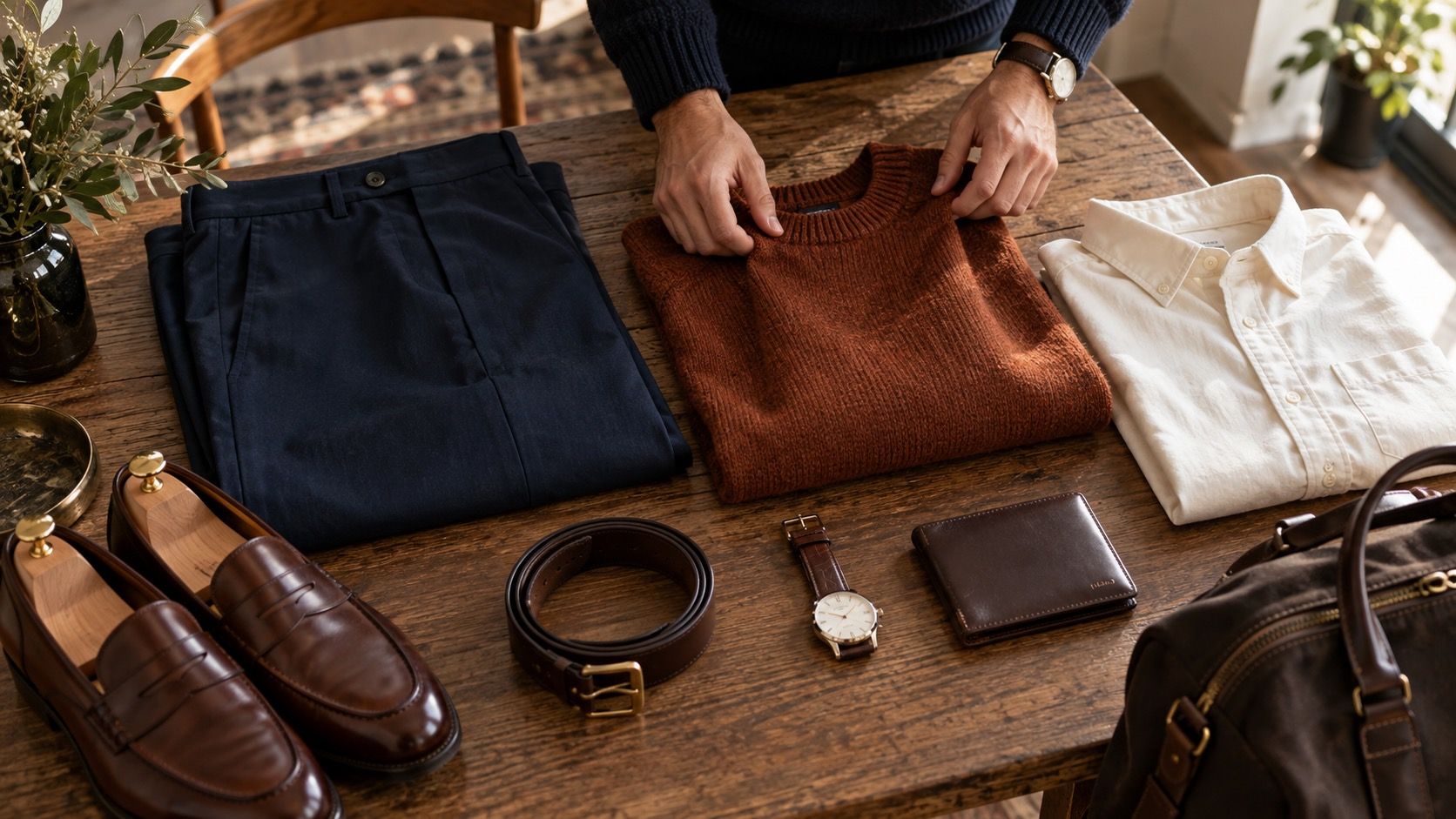
The best clothing colors for pale skin become more useful when they can join your normal clothes. Try soft navy jeans with a cool white tee and a berry cardigan, or charcoal trousers with a muted pink sweater and dark brown shoes. For a warmer direction, combine a soft cream shirt with olive trousers and a rust accessory kept away from the face. Each outfit has a tested near-face shade, a stable neutral and enough contrast to avoid looking washed together.
Patterns can do the same work when solid color feels too decisive. A small navy-and-cream check, a low-contrast floral print or a striped shirt with a softened background can break up a difficult shade. Watch the dominant color at the neckline; a print full of black may still read as black near the face. Bring the garment close to the mirror rather than trusting the hanger. The useful print is the one that supports the complexion without turning the outfit into a camouflage exercise.
Use makeup and hair color as context, not as a requirement
Makeup can change the balance of an outfit, but clothes should not require a full routine to look wearable. Test important tops with your typical weekday face, then again with the makeup you enjoy for evening. A true red lipstick may make black suddenly feel excellent; that does not mean black is automatically the best office color for every morning. The same principle applies to hair: a darkened color, a fresh highlight or a growing-out root can shift the contrast of the whole face.
Keep a small collection of colors that work when you are tired, bare-faced or getting dressed quickly. Those are your dependable colors. Add the sharper black, icy lavender or vivid red when you want the stronger effect and are happy to style around it. What colors look good on pale skin is a flexible question, and the most convincing answer is a wardrobe that offers both calm reliability and deliberate contrast.
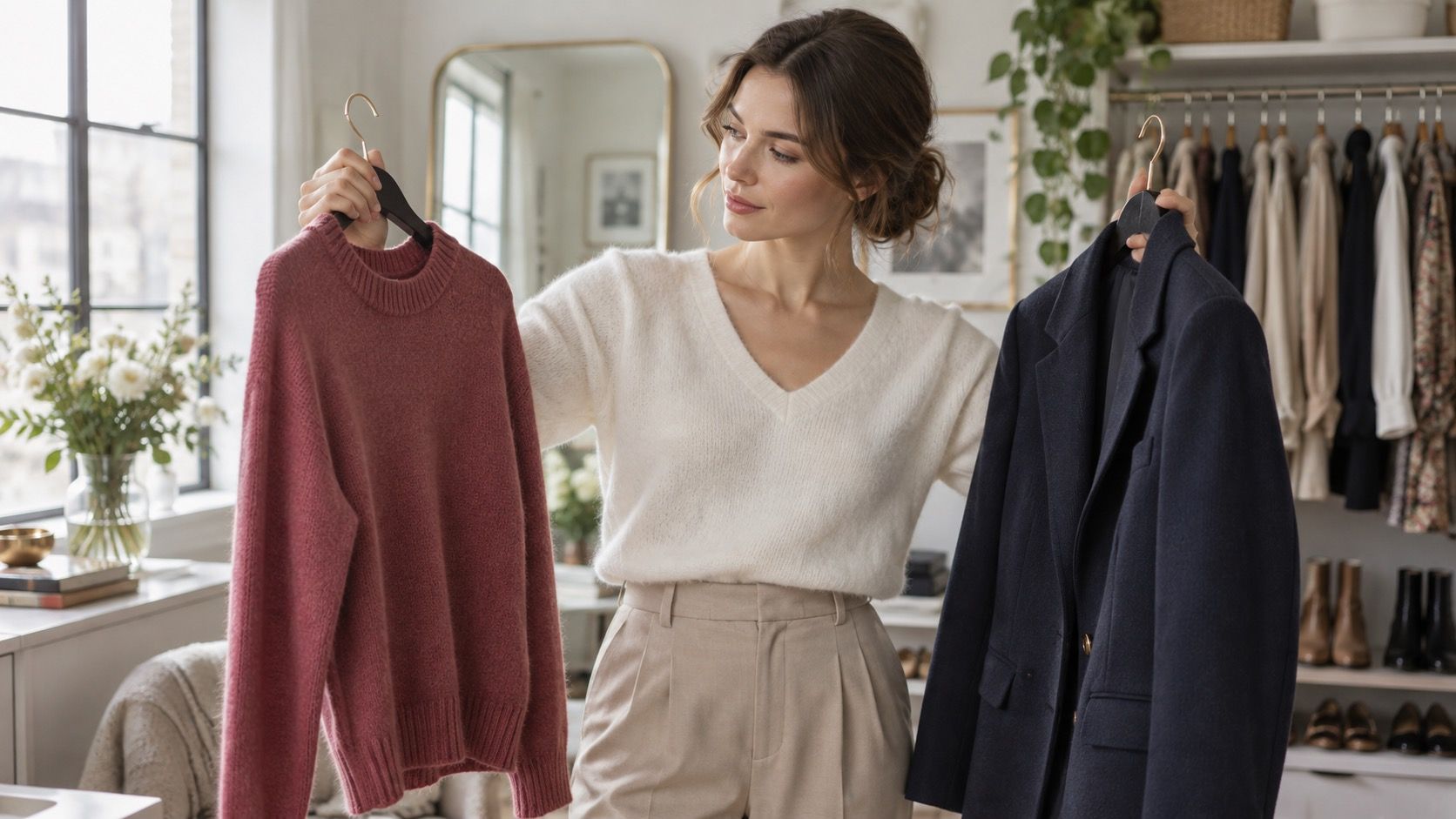
Before a major purchase, try the color with the coat, glasses and shoes you already use, not only in fitting-room light. If it still makes the face look clear after that less glamorous test, it is likely to become an easy part of your rotation. That is better than collecting shades that look impressive for ten minutes and complicated every morning after.